
Bill of Materials Management
Easily manage complex BoMs improving product data accuracy, BoM visibility and reducing time to market.
We are trusted by:






Streamlined BoM Workflow
- Mapped with CAD
- Create completed manufacturing BoM
- Add production notes for shopfloor
- BoM Compare and Bill of Quantity tools
- Synchronise with ERP
DDM’s comprehensive BoM tools help you manage complex Bill of Materials with automatic population to ERP for reduced errors
With DDM’s Bill of Materials management tools, engineers can easily create completed, manufacturing ready Bill of Materials which can be automatically shared with ERP.
Improved BOM Accuracy and Visibility
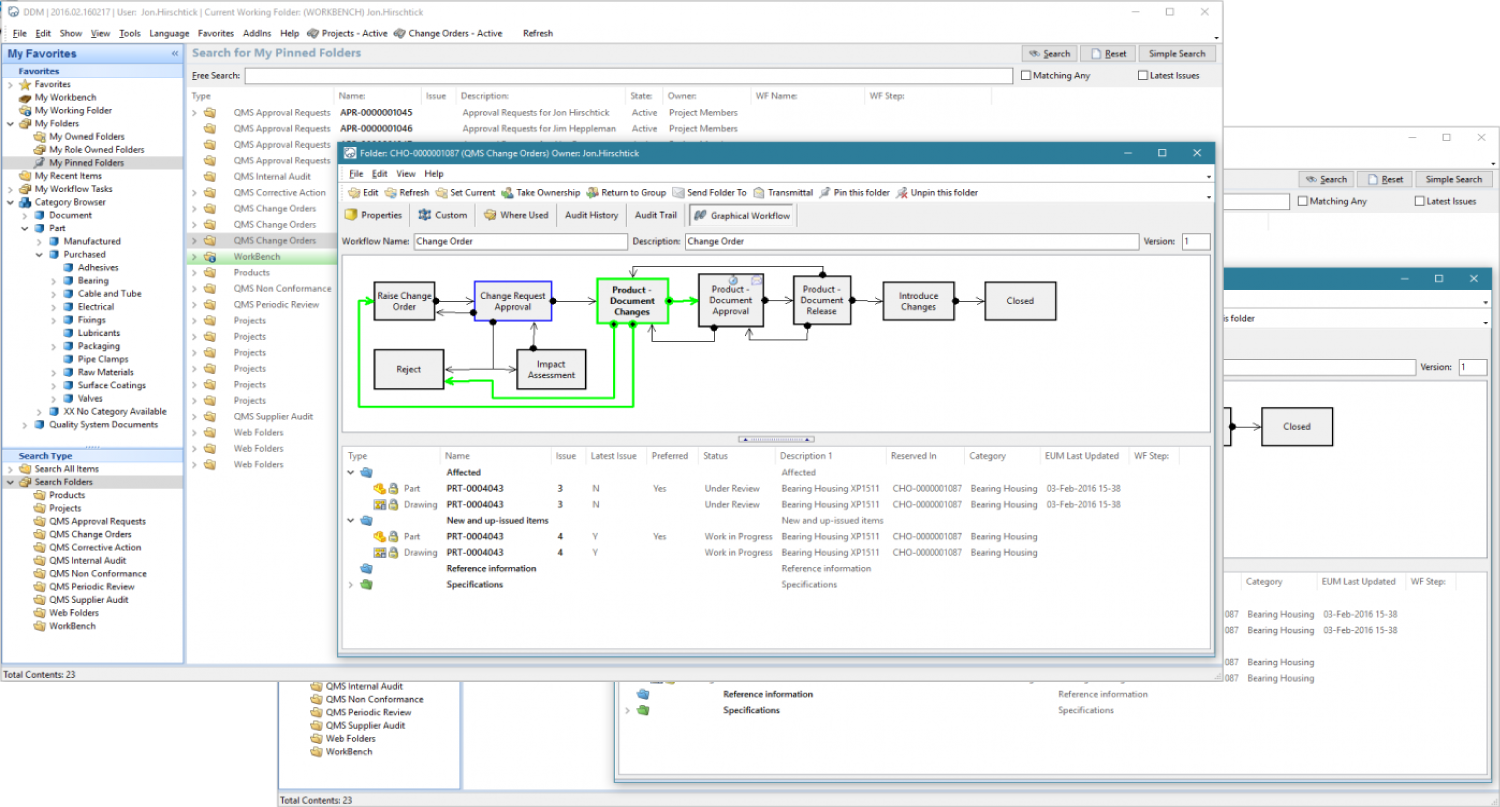
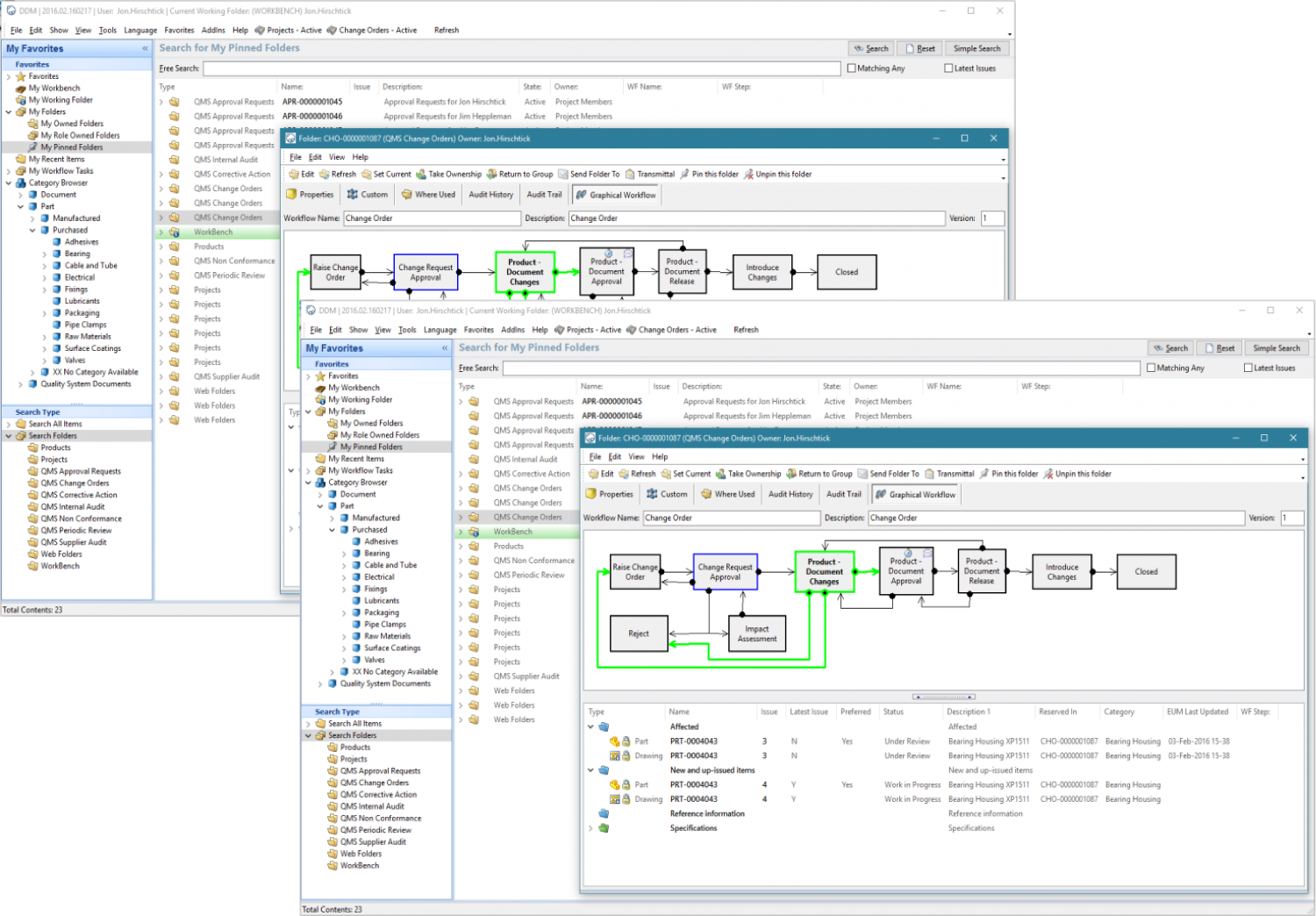
Starting with mapped BoM data straight from CAD, engineers can create accurate, structured manufacturing Bill of Materials complete with modelled and non-drawn parts, creating a single, definitive BoM which can be used across departments.
Faster Time to Market
Save time and money by using XML to synchronise BoM data with ERP, removing the need for engineers manually managing the BoM in spreadsheets or having to re-enter the information into ERP.
Supports Multi-level BoM Structures
Manage multi-level assemblies, variants and product configurations. Every sub-assembly and component are linked so engineers have a complete connected view of even the most complex product designs.
Single Source of Truth
Enterprise visibility of BoM product data, connecting engineering, manufacturing and supply chain into a single, controlled system working off the same, up-to-date structure.
Scalability for Complex Products
As products become more configurable and complex, DDM BoM management handles variants, options and configurations efficiently, freeing engineers from complex spreadsheets.
Why Choose DDM?
When managing complex product data and workflows, the right PLM system can make all the difference.
Here’s what sets DDM apart:
300+
customers across 30 countries have manufacturing teams empowered by DDM
90+
years combined engineering and PLM experience across the DDM leadership team
30+
years of development, trusted by SMEs and global enterprises alike
3+
times Return on Investment customers are typically seeing deploying DDM
Bill of Material Management Next Steps
See how DDM’s comprehensive BoM management tools can improve your workflow, for improved data accuracy, visibility and faster product development.
Industries
Featured industries we serve

Aerospace & Defence
Digital transformation for Commercial Aviation, Weapons & Missile Systems, Space Systems and Naval & Ground Defence,

Automotive & Transportation
Digital transformation for Vehicle Manufacturing, Autonomous & Electrification and Component & Supply Chain.

Consumer Production & General Manufacturing
Digital transformation for Fast-Moving Consumer Goods (FMCG), Electronics & Electrical and Metal Fabrication & Machining.

Energy & Utilities
Digital transformation for Electrical Generation & Distribution, Renewable Energy, Oil & Gas, Water Services and Utilities.
Food & Beverage
Digital transformation for Food & Beverage Manufacturing, Packaging & Material Handling, Supply Chain & Logistics and Industry 4.0 (Automation & Robotics).
Industrial & Heavy Equipment
Digital transformation for Construction & Infrastructure, Mining & Mineral Extraction and Agriculture & Forestry.
Marine & Shipbuilding
Digital transformation for Commercial Vessel Construction, Passenger Vessels and Small Scale Shipbuilding.
Medical Device & Life Sciences
Digital transformation for Medical Technology, Digital Health Technologies and Biotechnology & Bioengineering.
What our customers think
Success with DDM
Used by your peers across the world, learn how DDM has delivered business value across industries — from defence to healthcare and beyond.

“We struggled for years with a paper system until we implemented DDM. Data management has become second nature, everything is stored and completed in DDM”

“It’s been very impressive! The ability of DDM to be very quickly adapted and configured to meet our business needs. It goes beyond just data control and CAD…”
Frequently Asked Questions
FAQs
Whether you’re exploring DDM for the first time or looking to get more out of your current setup, this FAQ covers the most common questions about our platform, integrations, setup, and support.
If you don’t see what you’re looking for, our team is always here to help.
DDM is built for engineers, designers, and manufacturers who use tools like SOLIDWORKS, AutoCAD, Creo, and Siemens NX. It’s especially valuable for small to mid-sized businesses looking for scalable data control without expensive IT overhead.
DDM is built for engineers, designers, and manufacturers who use tools like SOLIDWORKS, AutoCAD, Creo, and Siemens NX. It’s especially valuable for small to mid-sized businesses looking for scalable data control without expensive IT overhead.
DDM is built for engineers, designers, and manufacturers who use tools like SOLIDWORKS, AutoCAD, Creo, and Siemens NX. It’s especially valuable for small to mid-sized businesses looking for scalable data control without expensive IT overhead.
DDM is built for engineers, designers, and manufacturers who use tools like SOLIDWORKS, AutoCAD, Creo, and Siemens NX. It’s especially valuable for small to mid-sized businesses looking for scalable data control without expensive IT overhead.
DDM is built for engineers, designers, and manufacturers who use tools like SOLIDWORKS, AutoCAD, Creo, and Siemens NX. It’s especially valuable for small to mid-sized businesses looking for scalable data control without expensive IT overhead.
DDM is built for engineers, designers, and manufacturers who use tools like SOLIDWORKS, AutoCAD, Creo, and Siemens NX. It’s especially valuable for small to mid-sized businesses looking for scalable data control without expensive IT overhead.
Streamline Product Development with DDM PLM
Accelerate innovation, ensure compliance, and take control of your product data with DDM’s powerful PLM platform — trusted by regulated industries worldwide.