
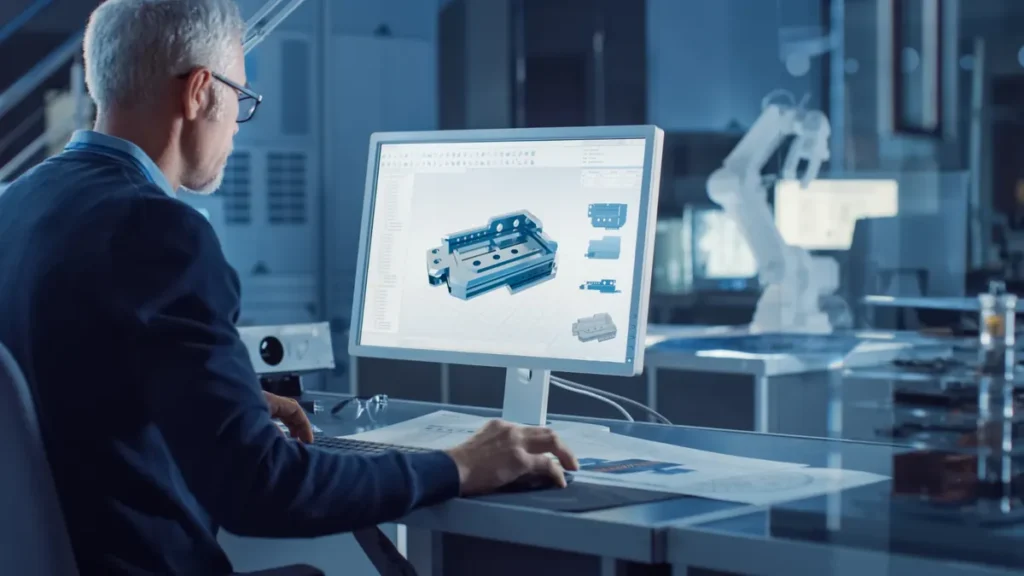
DDM for Energy & Utilities
Digital Transformation: Energy and Utilities
In the energy and utilities sector, managing complex assets, infrastructure projects and strict compliance requirements is a constant challenge. Outdated information, disconnected teams and untracked changes can lead to costly downtime, safety risks and regulatory breaches. DDM provides a single, organised system for managing product data, approvals and documentation, helping energy companies improve reliability, maintain compliance and deliver safe, sustainable services.
We are trusted by:




Features of DDM
Powerful PLM for Energy & Utilities
Energy and utility organisations operate in highly regulated environments where precision, safety and accountability are non-negotiable. From power generation to water systems and renewable energy projects, keeping teams aligned with accurate, up-to-date information is essential.
DDM centralises designs, documents and compliance records, so whether you’re working on grid infrastructure, renewable installations or utility equipment, everyone has access to the same reliable data. Changes, approvals and supplier communication are handled seamlessly, giving full traceability without slowing down workflows.

Regulatory Compliance & Standards
Energy and utility providers must comply with strict safety, environmental and industry standards such as ISO 9001, ISO 14001 and OSHA regulations. DDM keeps all approvals, audit trails and documentation in one place, ready for inspection at any time.
Asset & Infrastructure Management
From turbines and substations to pipelines and distribution networks, DDM provides complete version control and change tracking for complex assets. This ensures updates are properly documented, reducing downtime and avoiding costly errors.
Document Control & Traceability
Maintenance records, safety inspections and engineering designs are all captured in DDM with full version history. You’ll always know who made a change, when it happened and why. critical for safety and compliance audits.
Risk & Quality Management
Nonconformances, faults or incidents can be logged and tracked in one system. Linked data shows the impact across assets and projects, while built-in workflows guide corrective actions and support continuous improvement.
Supplier & Partner Collaboration
Energy projects often rely on multiple contractors and suppliers. DDM allows you to share accurate specifications securely while keeping sensitive information protected, enabling efficient collaboration without sacrificing control.
DDM for Energy and Utilities PLM
Keep assets reliable and projects on track with secure, traceable, centralised data throughout the product lifecycle. Trusted by regulated industries worldwide.
Case studies
Brilliantly easy & brilliantly powerful
Ceres Power
Lorem ipsum dolor sit amet

Instro Precision
Lorem ipsum dolor sit amet

Powerful tools built for product development-all in one platform
Achieve Compliance Without the Chaos
Capture every change, approval, and document in one traceable system. Whether you’re working to ISO, FDA, or internal standards, compliance is structured, auditable, and stress-free.
Boost Team Productivity
Keep everyone aligned with a single source of truth. Engineers spend less time managing data, and more time solving problems and innovating.
Cut Engineering Costs
Remove time wasted on chasing files, duplicating effort, or fixing miscommunications. DDM simplifies design workflows and eliminates manual overhead.
Reduce Waste & Increase Part Reuse
Easily find, track, and re-use existing components instead of reinventing them. Fewer duplicates, fewer errors — more value from every design.
Build a Smarter, More Scalable Process
Replace disconnected spreadsheets and legacy tools with a future-proof system that grows with you — from prototype to global release.

Get Products to Market Faster
With connected data, streamlined reviews, and fewer handoff delays, teams move from concept to production without hold-ups or rework.
Frequently Asked Questions
FAQs
Whether you’re exploring DDM for the first time or looking to get more out of your current setup, this FAQ covers the most common questions about our platform, integrations, setup, and support.
If you don’t see what you’re looking for, our team is always here to help.
DDM is built for engineers, designers, and manufacturers who use tools like SOLIDWORKS, AutoCAD, Creo, and Siemens NX. It’s especially valuable for small to mid-sized businesses looking for scalable data control without expensive IT overhead.
DDM is built for engineers, designers, and manufacturers who use tools like SOLIDWORKS, AutoCAD, Creo, and Siemens NX. It’s especially valuable for small to mid-sized businesses looking for scalable data control without expensive IT overhead.
DDM is built for engineers, designers, and manufacturers who use tools like SOLIDWORKS, AutoCAD, Creo, and Siemens NX. It’s especially valuable for small to mid-sized businesses looking for scalable data control without expensive IT overhead.
DDM is built for engineers, designers, and manufacturers who use tools like SOLIDWORKS, AutoCAD, Creo, and Siemens NX. It’s especially valuable for small to mid-sized businesses looking for scalable data control without expensive IT overhead.
DDM is built for engineers, designers, and manufacturers who use tools like SOLIDWORKS, AutoCAD, Creo, and Siemens NX. It’s especially valuable for small to mid-sized businesses looking for scalable data control without expensive IT overhead.
DDM is built for engineers, designers, and manufacturers who use tools like SOLIDWORKS, AutoCAD, Creo, and Siemens NX. It’s especially valuable for small to mid-sized businesses looking for scalable data control without expensive IT overhead.
Discover more and connect a DDM Expert
To understand how DDM can help you, contact us to talk to a product specialist, discuss pricing and book an online demo.